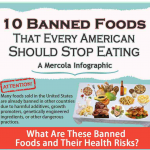
10 banned foods Americans should stop eating

& why …

  1. Farm-raised salmon (dirty water of fish CAFOs)
  2. GE papaya
  3. Paylean treated meat (nearly 50% of pork)
  4. BVO in your sugary soda (Flame retardent in Mountain Dew & Gatorade)
  5. Processed food artificial colors
  6. Arsenic laced chicken (70% of conventional production)
  7. Bread “enriched” by potassium bromate
  8. Olean (we all know the side effects of this one)
  9. BHA/BHT (cancer causing preservatives found in most crap food)
  10. rBGH (learn why you should drink local and/or Organic dairy)

Why ‘Food 2.0’ is tech’s next big start-up craze

If you must eat white bread at least buy good flour

Local Food & Energy production commingle via ecology

– – – 

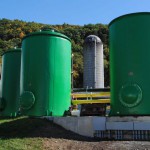
Massachusetts officials brought their “Food Waste Ban Full Harvest Tour” to Hadley on Friday with a visit to Barstow’s Longview Farm, the site of an innovative waste-to-energy project.

The farm’s anaerobic digester takes manure and food waste and converts it into methane gas, which in turn powers a 300-kilowatt on-site generator. Most of the electricity produced is sold to the grid, and the rest powers the dairy farm operation. The by-product of the fermentation process is used as fertilizer.

The new policy affects approximately 1,700 businesses and institutions, including supermarkets, colleges and universities, hotels, convention centers, hospitals and nursing homes, large restaurants and food service and processing companies. It does not affect residences.

Jed Davis, Director of Sustainability for Agrimark-Cabot, said the waste ban should not be seen as a burdensome regulation, but as an opportunity.

“It’s now open season for innovation in repurposing waste.”

learn more…
Holiday shopping – Desktop salad garden booming on fish poop

Serving daily serendipity to your food passion – Eat Drink Lucky

http://eatdrinklucky.com/

A daily newsletter that contains the best places to sip, savor & stir – Eat Drink Lucky sources insider information from food gurus and industry experts throughout 9 major US cities, and Portland ME (basecamp for list founder & media mogul Kevin Phelan).

As a refined list of only good things to do – it’s fun, free and useful.  

Have a look…

MOVIE:  The environmental impact of current animal production 

.  .  . 

As an omnivore, I don’t agree the recommended solution by filmmaker Kip Andersen is practical or pragmatic.  But, it comes as a solution, something often lacking in support of sustainable agriculture, and it comes based off great tilth, and rings loudly with truth.  Current CAFO (feedlot) animal production is killing soil, flora & fauna, our environment – and more immediately (a requirement for many to act) – its consumers.

For an interesting perspective:  more meat, more problems.

There’s something environmentalists aren’t telling you, and there’s something the U.S. government is hiding from you. The investigative documentary “Cowspiracy: The Sustainability Secret” had its world premiere in San Francisco on Thursday, revealing hidden truths that will shock even the most informed eco-warrior. And yet the question is simple: What is the single biggest contributor to global climate change?

Over the course of the documentary, Andersen learns that organizations ignore the devastating impact of animal agriculture on the environment because they fear reprimand from the powerful, corporate monster that is the animal agriculture industry. As a representative of Amazon Watch finally admits, “A lot of people just keep their mouths shut because they don’t want to be the next one with the bullet to their head.” “Cowspiracy” explores dangerous waters, but its directors feel it’s worth the risk.

Growing Business Radio – ‘Farmers to You’ founder Greg Georgaklis

Buzz from “Let’s Talk about Food” event – today

… live & latest updates:

The third Let’s Talk About Food Festival comes to Copley Square this weekend. This festival lets participants dive into the most important food conversations and debates happening in society today. Through hands-on cooking demonstrations, edible gardens, and more, participants can also explore how to take advantage of the food around them by cooking better and eating healthier. Check back often for more details.

Consumer Reports: Popular food labels often lack meaning